60's Vs 2000s
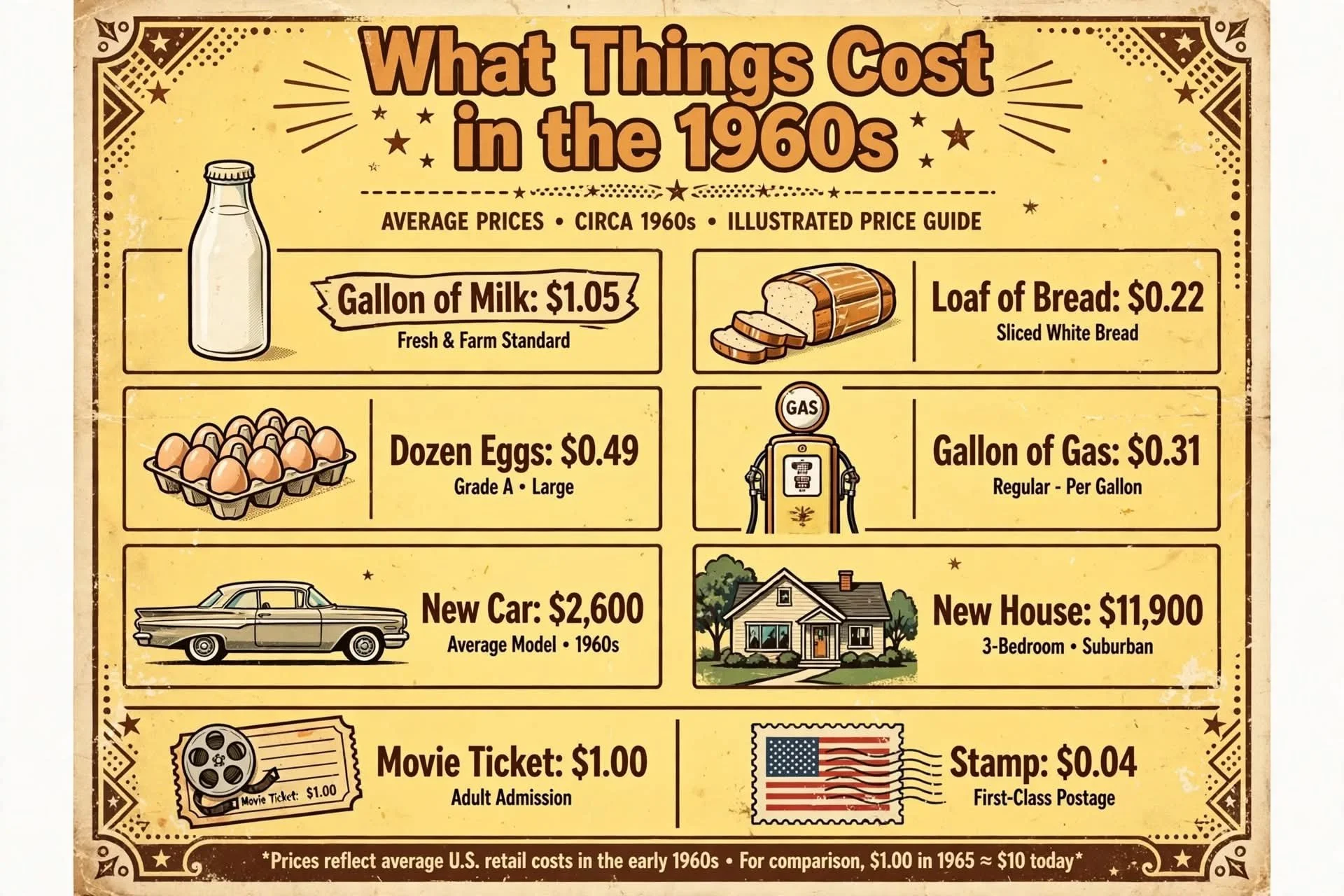
Sometimes I think about the current purchasing power, quality of goods, well -paid careers, interest rates etc, it evokes me to think about past decades and the quality of life of Americans in the 60s era. I'm an American so I can only speak from a USA citizen point of view. In the 60s $100 could cover an entire month’s worth of food supplies. : Housing purchasing power has officially decoupled from average wages. The median home price in 2000 was $119,600. Today, a median-priced home in the U.S. has skyrocketed past $400,000, meaning modern buyers have to sacrifice a massive multiple of their annual income compared to consumers in 2000 or the 1960s just to secure shelter. (google.com)
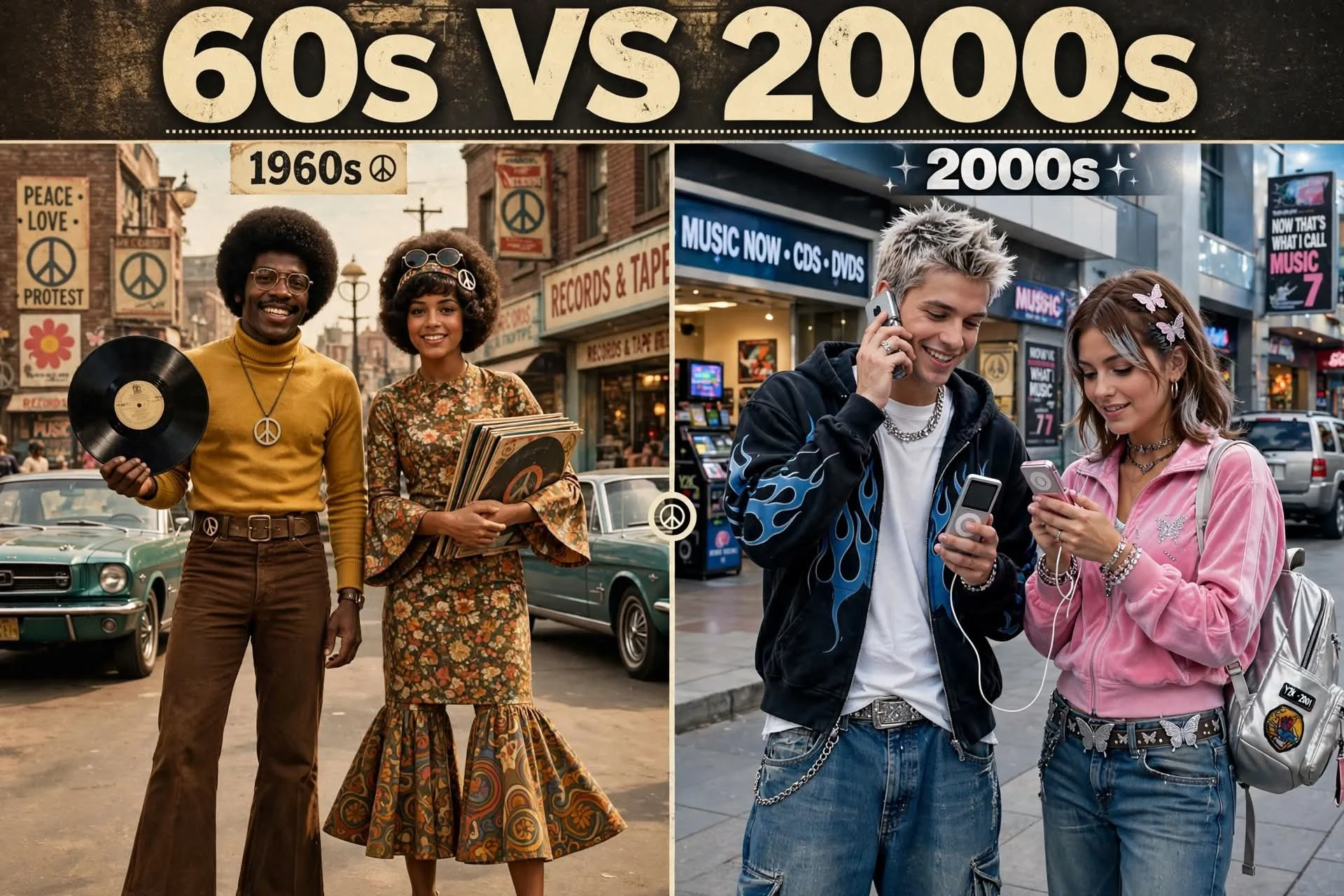
I was a adolescent in the 80's and 90's. My parents were adolescent in the 60s. I would hear their childhood stories of how they did farm and domestic work. My dad cut wood, start chimney fires and fed livestock prior to going to school. My childhood was totally different. Compared to my parent's upbringing I grew up in luxury.
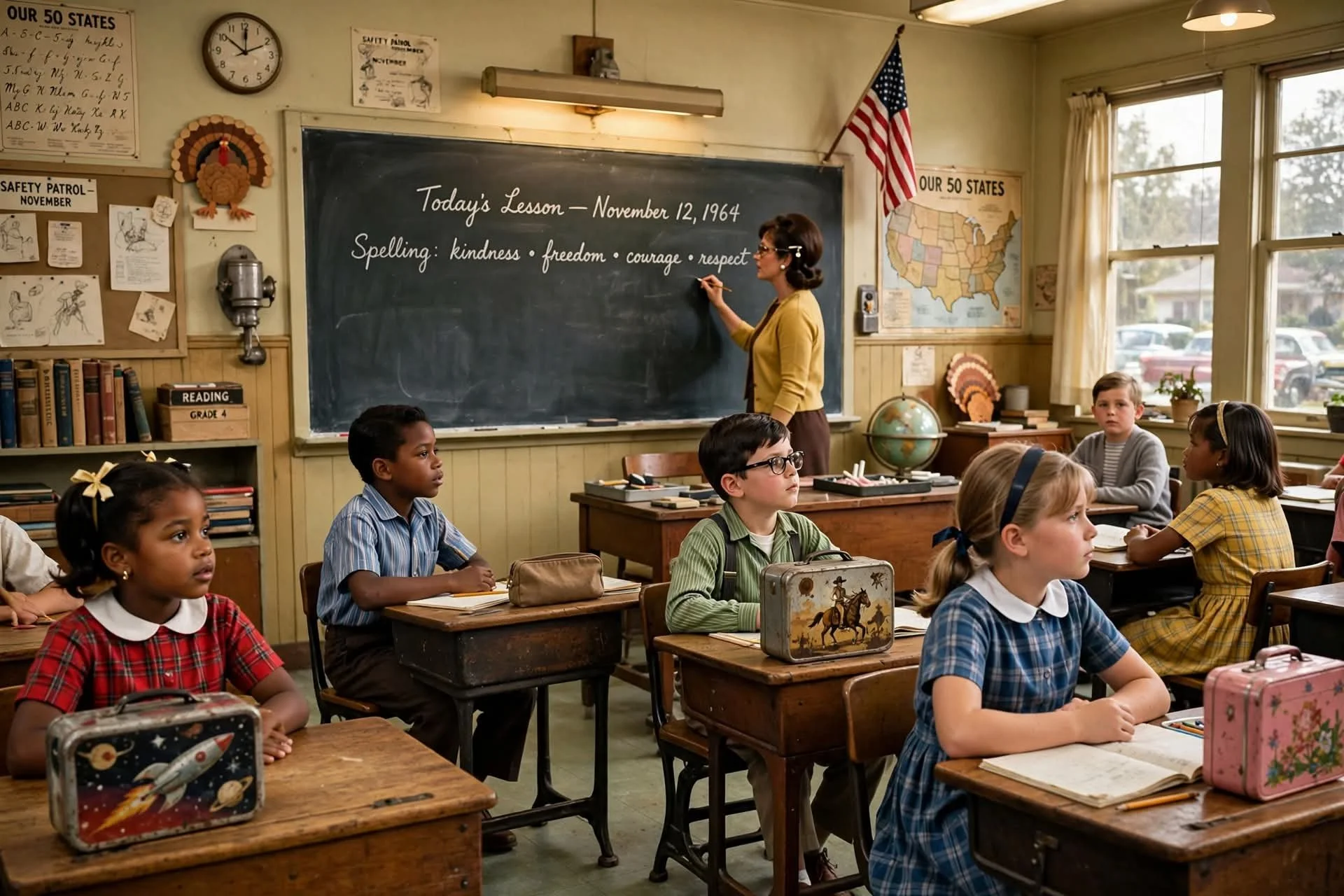
Classrooms featured fixed rows of desks, and teachers held absolute authority.Rote learning: Schools emphasized memorization, penmanship, and the basic "Three R's" (Reading, wRiting, and aRithmetic).Formal environment: Dress codes were rigid, and corporal punishment like paddling was common ( Encyclopedia.com)
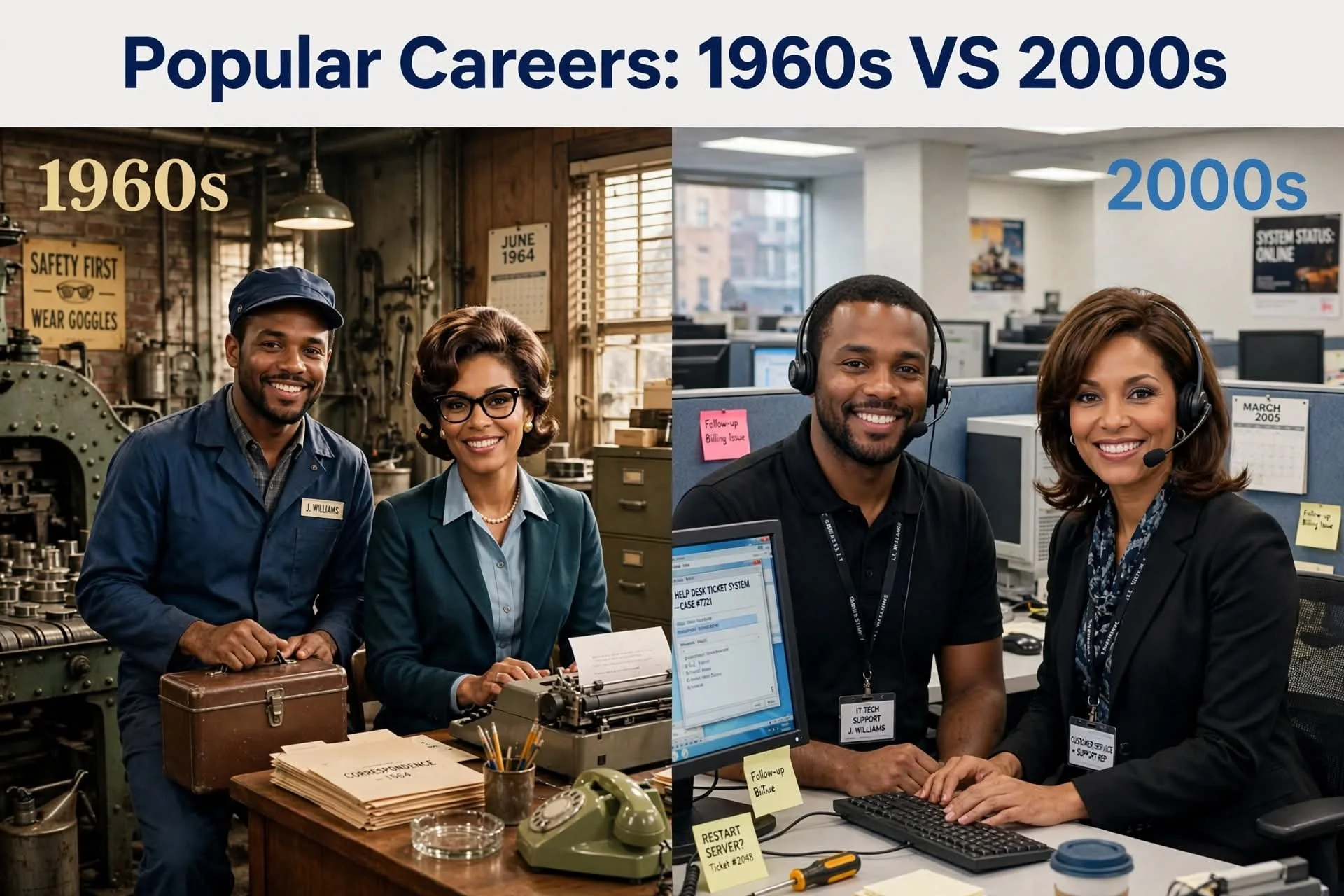
Careers in the 1960s were heavily segregated by gender norms, and a high-paying corporate or industrial job rarely required digital skills. By the 2000s, the "Dot-Com Boom" and the proliferation of the internet birthed entirely new industries while automating or outsourcing many 1960s-era roles. ( www.google.com)
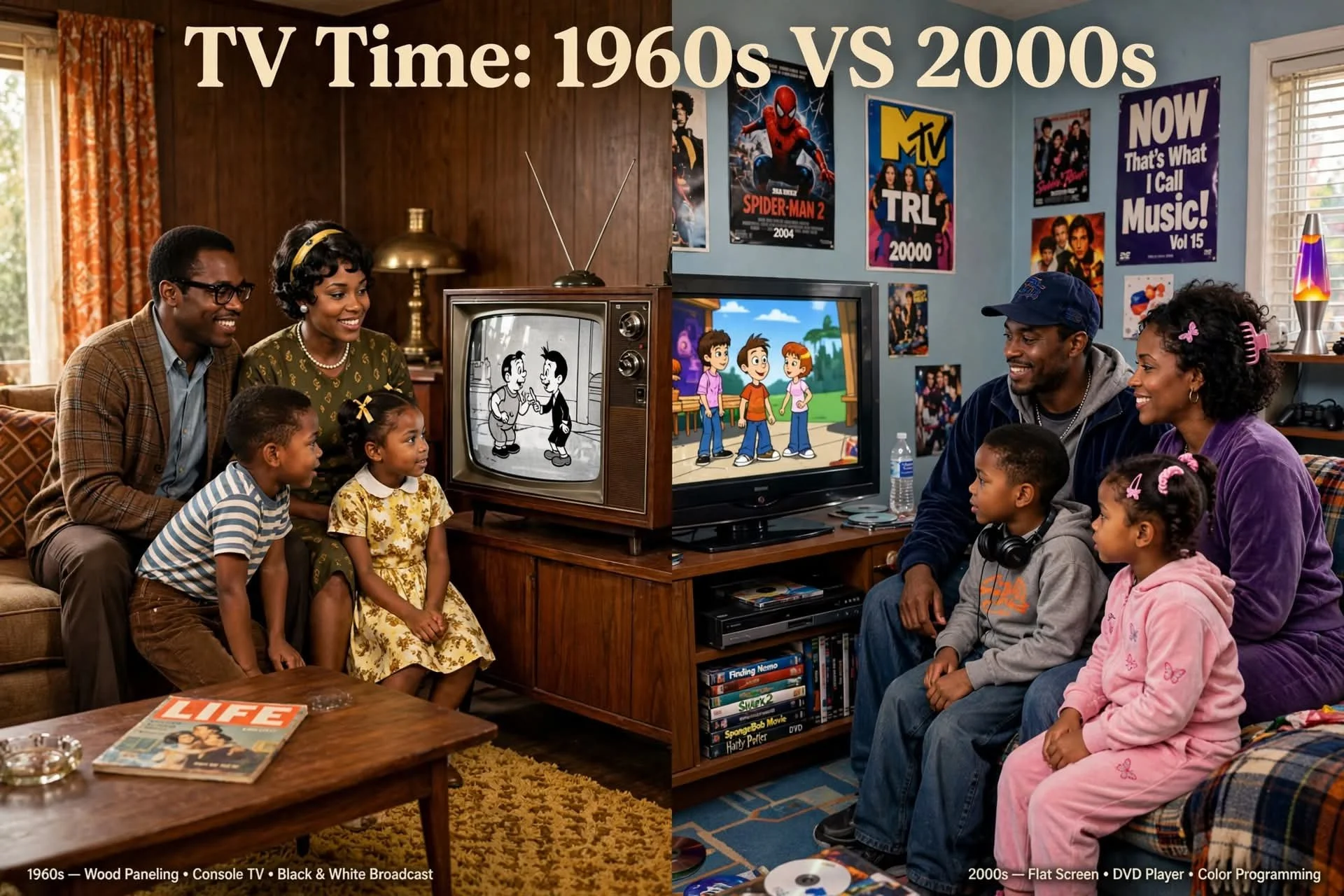
In the 60s families watched tv shows together on a black and white screen. Most homes had only one device which was in the living room for everyone to enjoy. Now in the 2000s shows are streamed on multiple personal devices in several rooms in the home.
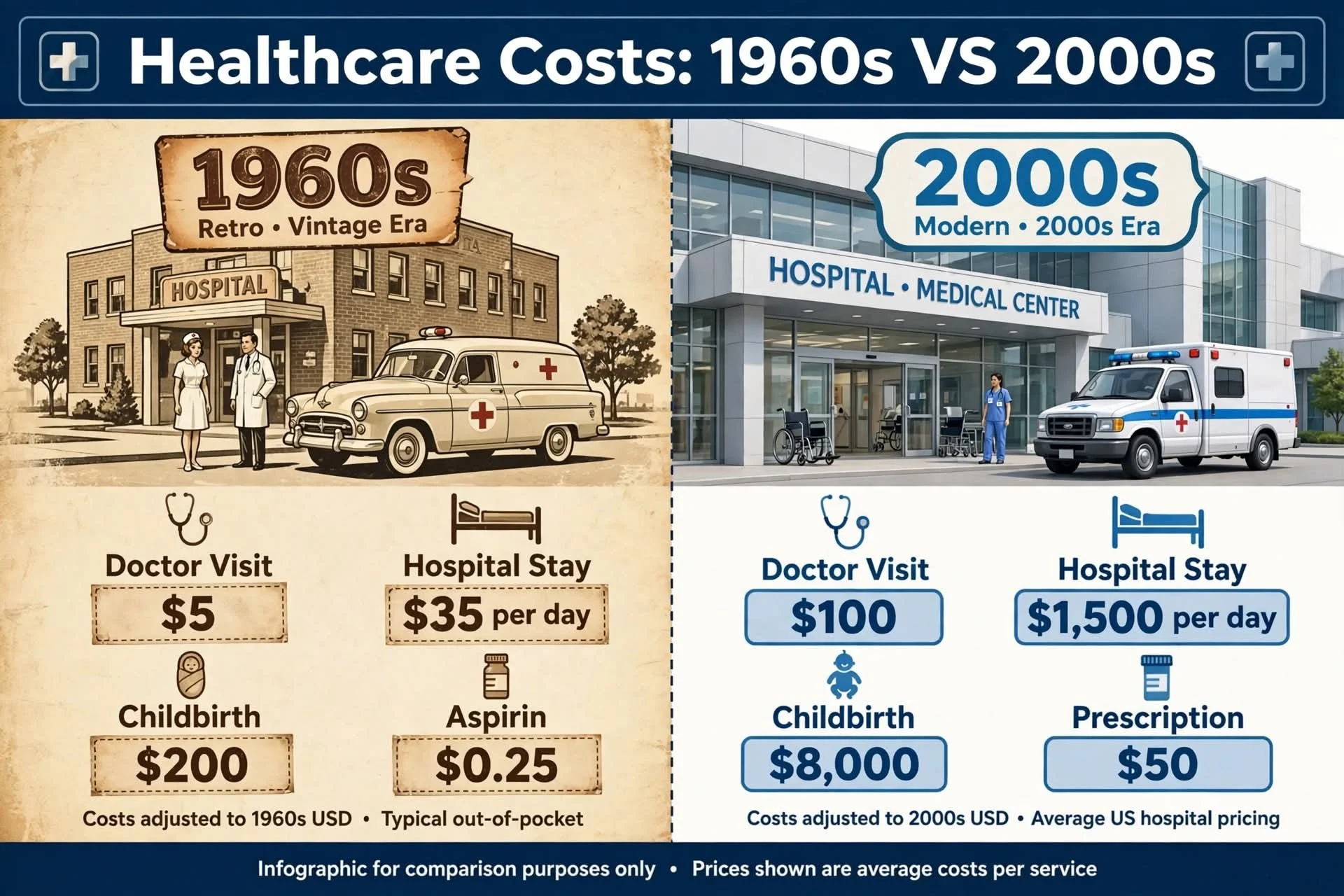
Total U.S. health expenditures grew dramatically from about $27 billion in 1960 to roughly $1.4 trillion by the year 2000.
The 1960 Burden: Prior to the introduction of major federal safety nets, individuals paid out-of-pocket for 44% of all medical expenses. Private insurance covered roughly 24%. By the year 2000, out-of-pocket spending shrank significantly as a proportion of health spending. For major events like hospital inpatient stays, out-of-pocket costs hit an all-time low of just 2.2% of the total inpatient cost, as third-party payers took over the vast majority of acute care billing. ( www.healthsystemtracker.org) The underlying financial engine behind this change was the dynamic reversal of who funded a medical bill at the counter. In 1960, individuals bore the clear majority of personal health expenses out of their own pockets. By 2000, third-party payment networks (private employer insurance and public programs like Medicare/Medicaid) had taken over the core burden. (google.com)
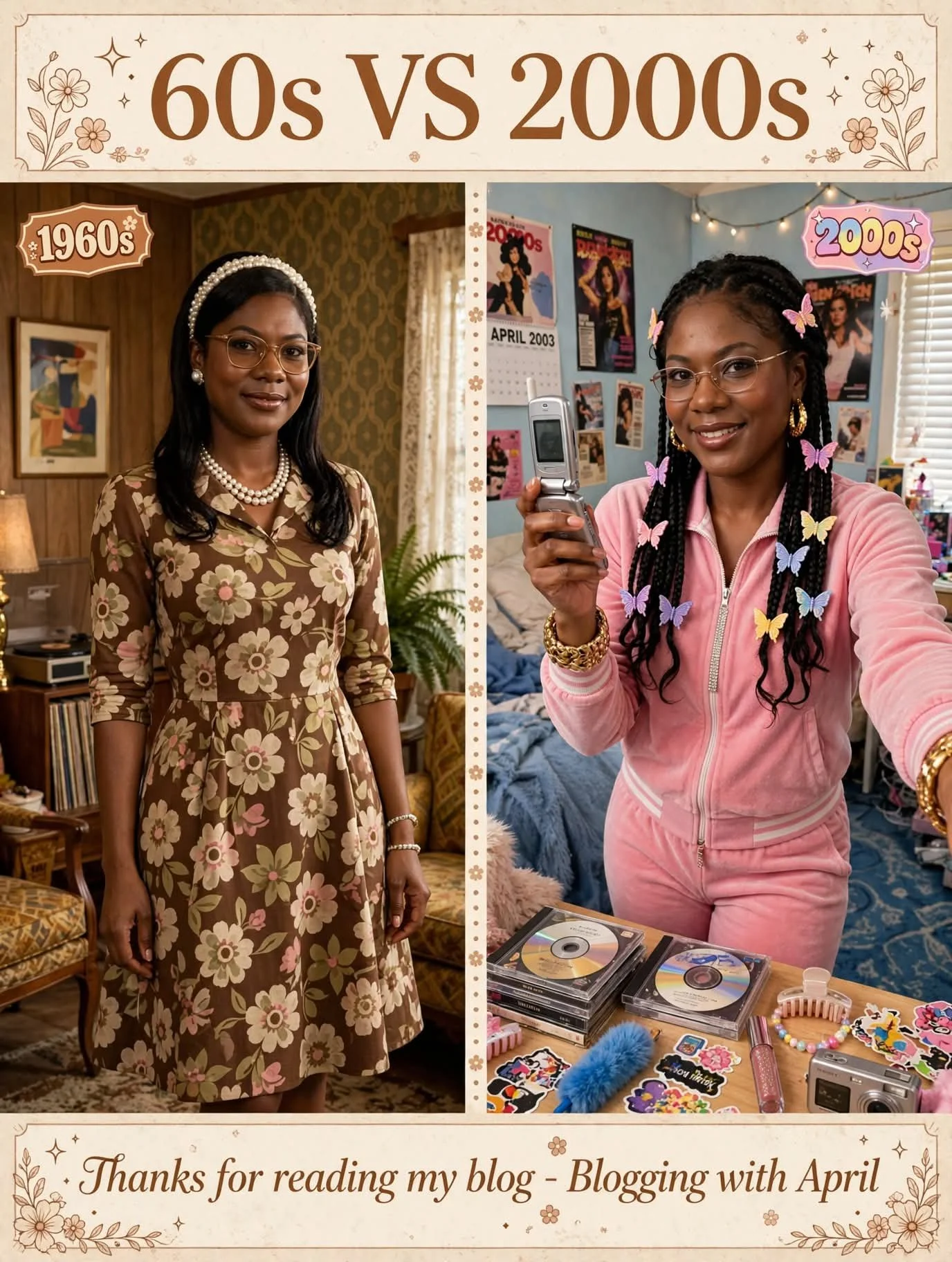
If you’’re reading this and you grew up in the 60s please share your experiences as it compares to the early 2000s and present day. I will love your feedback about this topic. While you're here check out the other stories on this site. ❤️
